

 CALL THE LOCATION NEAREST YOU
What Happens If an Impacted Wisdom Tooth Is Left Untreated
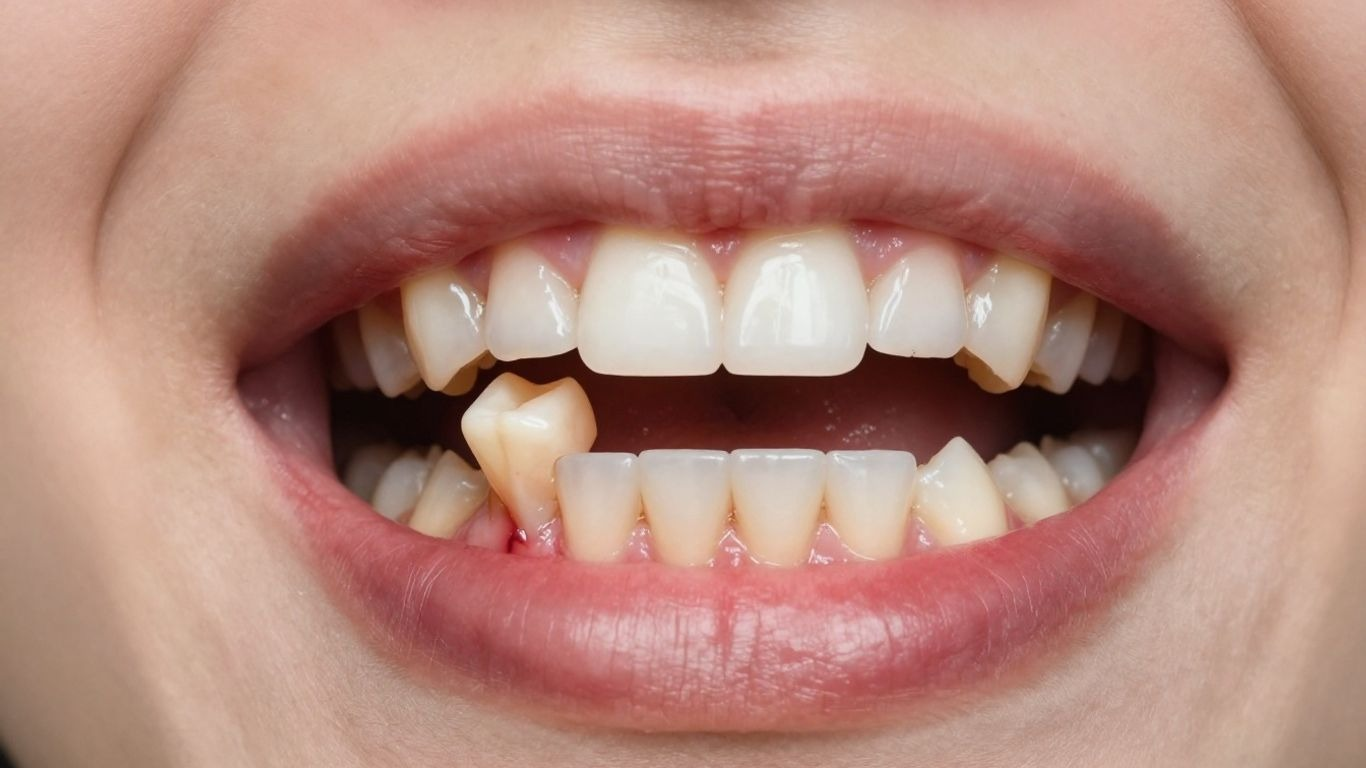
So, you've got wisdom teeth that aren't exactly behaving. They're supposed to pop through sometime between your late teens and early twenties, but sometimes, there's just no room. These are what we call impacted wisdom teeth. They might be stuck under your gums, pushing sideways, or just generally causing a fuss. You might think, 'Hey, it's not hurting, so what's the big deal?' Well, ignoring what happens if an impacted wisdom tooth is left untreated can lead to some pretty gnarly problems down the road.
How long can you leave an impacted wisdom tooth before problems start?
Honestly, there's no set timeline for when things go south. For some folks, an impacted wisdom tooth might cause issues within months, while for others, it could take years. It really depends on how the tooth is positioned and how your mouth reacts. But here's the thing: even if it's quiet now, that tooth is still there, potentially causing subtle damage or creating a perfect little spot for trouble to brew.
- Pressure on nearby teeth: That impacted tooth is probably pushing against your other molars. Over time, this can cause them to shift, leading to crowding and messing up your bite. It’s like a slow-motion domino effect.
- Gum irritation and infection: When a wisdom tooth only partially erupts, it leaves a little flap of gum tissue. Food bits and bacteria love to hide under there, leading to swelling, pain, and a nasty infection called pericoronitis. This can make chewing a real pain and give you some seriously bad breath.
- Damage to the jawbone: In some cases, a fluid-filled sac, called a cyst, can form around the impacted tooth. If left alone, this cyst can grow and start to eat away at your jawbone, which is definitely not good.
It's easy to put off dental issues, especially if they aren't causing immediate pain. However, with impacted wisdom teeth, the potential for future problems is significant. Addressing them early can prevent a cascade of more serious and costly dental work later on.
Untreated Impacted Wisdom Tooth Consequences You Should Know
So, you've got an impacted wisdom tooth, and you're thinking, "Eh, it's not bothering me right now, I'll deal with it later." Big mistake. Seriously, leaving an impacted wisdom tooth to its own devices can lead to a whole heap of trouble down the road. These aren't just minor annoyances; we're talking about potential problems that can really mess with your mouth and even your overall health. Understanding the dangers of not removing impacted wisdom teeth is pretty important if you want to avoid a bigger headache later.
Common dangers of not removing impacted wisdom teeth
When a wisdom tooth is impacted, it means it's stuck and can't erupt properly. This lack of space can cause all sorts of issues. Think of it like trying to cram an extra piece of furniture into an already full room – something's gotta give, and usually, it's not pretty.
Here are some of the main problems that can pop up:
- Infection (Pericoronitis): This is a super common one. When a wisdom tooth is only partially erupted, it creates a little flap of gum tissue. Food bits and bacteria love to hide under there, leading to swelling, pain, and a nasty infection. Sometimes, this can get so bad it causes fever and makes it hard to even open your mouth.
- Damage to Nearby Teeth: That impacted tooth doesn't just sit there quietly. It can push against your other teeth, especially the molars right in front of it. This pressure can cause those healthy teeth to shift, leading to crowding, bite problems, and even decay on the adjacent teeth because they're harder to clean.
- Cysts and Tumors: Yeah, this sounds scary, and it can be. A fluid-filled sac, called a cyst, can form around the crown of an impacted wisdom tooth. If left untreated, these cysts can grow and start to damage the jawbone, nerves, and even the roots of your other teeth. In rare cases, tumors can also develop.
- Jaw Pain and Headaches: The pressure from an impacted tooth trying to find its way out can put a strain on your jaw joint (TMJ). This can lead to persistent jaw pain, stiffness, and even trigger headaches that seem to come out of nowhere.
It's easy to ignore a little discomfort, especially when it's way in the back of your mouth. But these issues don't usually fix themselves. What starts as a minor ache or a bit of swelling can escalate into something much more serious if you keep putting off getting it checked out.
Ignoring these signs is basically rolling the dice with your oral health. The untreated impacted wisdom tooth consequences can range from annoying to downright severe, and it's always better to be proactive than to deal with a major problem later on.
Impacted wisdom tooth complications when untreated for years
So, you've got an impacted wisdom tooth, and you've been thinking, 'Eh, it's not really bothering me, I'll deal with it later.' Big mistake. Seriously, leaving an impacted wisdom tooth too long can lead to a whole mess of problems down the road. It's not just about a little ache; we're talking about stuff that can really mess with your mouth and even your overall health.
Signs You've Been Leaving an Impacted Wisdom Tooth Too Long
Sometimes, the signs are pretty obvious, but other times, they can sneak up on you. If you're noticing any of these, it's probably time to get that wisdom tooth checked out:
- Persistent bad breath or a weird taste: This is often a sign that food and bacteria are getting trapped around the tooth, leading to infection.
- Soreness or swelling in your gums: Especially in the very back of your mouth, where the wisdom tooth is trying to come in. It might feel tender to the touch or just generally achy.
- Jaw pain or stiffness: The pressure from the impacted tooth can radiate, making your jaw feel tight or painful, sometimes even causing headaches.
- Changes in how your teeth bite together: If the wisdom tooth is pushing on other teeth, it can subtly shift your bite, which you might notice when you chew.
Common dangers of not removing impacted wisdom teeth
When you ignore impacted wisdom teeth, you're basically rolling the dice with your oral health. Here are some of the more common impacted wisdom tooth complications untreated can bring:
- Infection (Pericoronitis): This is a big one. When a wisdom tooth only partially erupts, it leaves a little flap of gum tissue. Food and bacteria love to hide under there, causing a painful infection that can make it hard to open your mouth and, in bad cases, even lead to fever.
- Damage to Nearby Teeth: That impacted tooth isn't just sitting there; it's often pushing against your other molars. Over time, this pressure can chip away at the enamel of the adjacent tooth, making it more prone to cavities. It can even cause those teeth to shift, messing up your bite and undoing any orthodontic work you might have had.
- Cysts and Tumors: Yeah, this sounds scary, and it can be. A fluid-filled sac, called a cyst, can form around the impacted tooth. If left to grow, these cysts can damage the jawbone, nerves, and even the roots of your other teeth. In rare cases, tumors can also develop.
- Decay: Because wisdom teeth are so far back and often angled weirdly, they're super hard to clean. This makes them prime real estate for cavities. Plus, if they're pushing against another tooth, decay can start in the space between them, which is tough to spot and treat.
Leaving an impacted wisdom tooth untreated isn't just a waiting game; it's an invitation for more serious issues to develop. What might start as a minor annoyance can escalate into significant pain, infection, and even damage that requires more complex and costly treatment later on.
Signs You've Been Leaving an Impacted Wisdom Tooth Too Long
Sometimes, the signs are pretty obvious, but other times, they can sneak up on you. If you're noticing any of these, it's probably time to get that wisdom tooth checked out:
- Persistent bad breath or a weird taste: This is often a sign that food and bacteria are getting trapped around the tooth, leading to infection.
- Soreness or swelling in your gums: Especially in the very back of your mouth, where the wisdom tooth is trying to come in. It might feel tender to the touch or just generally achy.
- Jaw pain or stiffness: The pressure from the impacted tooth can radiate, making your jaw feel tight or painful, sometimes even causing headaches.
- Changes in how your teeth bite together: If the wisdom tooth is pushing on other teeth, it can subtly shift your bite, which you might notice when you chew.
When to See an Oral Surgeon for an Impacted Wisdom Tooth
If you're experiencing any of the symptoms above, or if you know you have impacted wisdom teeth, it's a good idea to schedule a consultation with an oral surgeon. They can take X-rays, assess the situation, and discuss your best options. Don't wait until you're in severe pain or dealing with a serious infection – catching it early makes the whole process much smoother.
Pain, infection, and damage to nearby teeth
So, you've got a wisdom tooth that's decided to play hide-and-seek, getting stuck under your gums or pushing at weird angles. It might not be screaming at you right now, but leaving it be can lead to some real headaches – literally and figuratively.
Signs You've Been Leaving an Impacted Wisdom Tooth Too Long
Sometimes, the signs are subtle, like a little ache you can almost ignore. But these can escalate. Keep an eye out for:
- Sore or bleeding gums right at the back of your mouth.
- A persistent bad taste or odor that brushing just won't fix.
- Occasional jaw tenderness or stiffness, especially when you chew.
- Headaches or even ear discomfort that seem to come out of nowhere.
These aren't just random annoyances; they're often your body's way of signaling that something's up with that stubborn wisdom tooth.
When to See an Oral Surgeon for an Impacted Wisdom Tooth
If you're experiencing any of the following, it's definitely time to call in the pros:
- Intense, throbbing pain that doesn't let up.
- Swelling in your cheek, jaw, or under your jawline.
- Difficulty opening your mouth wide or swallowing comfortably.
- A fever accompanying the discomfort.
These symptoms can point to a more serious infection that needs immediate attention. Ignoring them could lead to bigger problems, like the infection spreading or causing damage to the bone.
Common dangers of not removing impacted wisdom teeth
Leaving an impacted wisdom tooth untreated isn't just about potential pain; it can set off a domino effect of dental issues. The pressure from a stuck wisdom tooth can silently damage neighboring teeth over time. Here’s a breakdown of what can go wrong:
- Cavities and Gum Disease: Because they're so far back and often angled awkwardly, wisdom teeth are super hard to clean. This makes them prime real estate for bacteria, leading to decay not just on the wisdom tooth itself, but also on the teeth right next to it. Gum infections, like pericoronitis (that painful swelling around a partially erupted tooth), are also common and can become a recurring nightmare.
- Cysts and Bone Damage: Sometimes, a fluid-filled sac called a cyst can form around the crown of an impacted wisdom tooth. If left alone, these cysts can grow, eating away at your jawbone and even damaging the roots of your other teeth. This can make future surgery more complicated and might even lead to tooth loss.
- Tooth Crowding and Shifting: That pressure from the impacted tooth doesn't just disappear. It can push against your other teeth, causing them to shift, become crowded, or even undo the work of braces. This can mess with your bite and make your smile look crooked again.
It's easy to think, 'It doesn't hurt, so it's fine.' But impacted wisdom teeth can cause problems without you even realizing it until things get serious. The damage they can do to surrounding teeth and bone can sometimes be irreversible, turning a simple extraction into a much bigger deal down the road.
What to expect during impacted wisdom tooth removal
Getting an impacted wisdom tooth out is a pretty standard procedure. Your dentist or oral surgeon will likely take X-rays to see exactly what's going on. Then, they'll numb the area with local anesthetic, and you can opt for sedation if you're feeling anxious. The actual removal involves carefully extracting the tooth, sometimes needing to make a small cut in the gum or break the tooth into smaller pieces if it's really stuck. Afterward, you'll get instructions on how to care for the site, usually involving rest, soft foods, and keeping the area clean. Most people bounce back within a week or two, though some swelling and soreness are totally normal.
What to expect during impacted wisdom tooth removal
So, you've decided to get that pesky impacted wisdom tooth out. Good call! It's totally normal to wonder what the whole process is like. Think of it as a planned procedure to prevent future headaches (literally!).
First off, your dentist or oral surgeon will probably take some X-rays. This is super important so they can see exactly how that tooth is positioned and plan the best way to get it out. They'll chat with you about your medical history and any medications you're taking. This is also your chance to ask all the questions buzzing around in your head.
When it's time for the actual removal, you'll get some anesthesia. Depending on the situation and what you and your dentist decide, this could be local anesthesia (just numbing your mouth), sedation (where you're awake but super relaxed), or general anesthesia (where you're completely asleep). Most people opt for sedation or general anesthesia for wisdom teeth because, let's be honest, it's a bit of a tricky spot to work in.
The surgery itself usually doesn't take too long, maybe an hour or so, depending on how difficult the tooth is to access. Sometimes, the tooth comes out pretty easily. Other times, especially if it's impacted deep in the bone, the surgeon might need to make a small cut in the gum or even remove a tiny bit of bone to get it out. They'll stitch up the area, and then it's recovery time.
Recovery is where you'll need to take it easy for a few days. Expect some swelling and discomfort, but pain medication will help manage that. You'll likely be on a soft food diet for a bit, and keeping the area clean is key. Your dentist will give you specific instructions on how to care for the site and when to come back for a follow-up.
It's really about getting ahead of potential problems. While the idea of surgery might sound daunting, it's often a straightforward procedure that saves you from much bigger issues down the line, like infections or damage to other teeth. Think of it as a necessary step for long-term oral health.
So, What's the Takeaway?
Basically, leaving those impacted wisdom teeth alone is a gamble you probably don't want to take. What might seem like a minor issue now can snowball into some pretty big problems later on, like infections, damage to your other teeth, or even cysts. It’s not just about pain, either; it can get expensive and complicated to fix down the road. The smart move? Get them checked out by your dentist. They can tell you if your wisdom teeth are likely to cause trouble and, if so, get them removed before they start causing real issues. It’s way better to deal with it proactively than to wait for a painful emergency. Contact Oral Surgeons PC today to evaluate impacted wisdom teeth and prevent future complications with expert care.
Frequently Asked Questions
What exactly is an impacted wisdom tooth?
An impacted wisdom tooth is basically a tooth that didn't get enough space to grow in properly. It might be stuck under your gums, or it could be trying to push through at a weird angle, often bumping into other teeth.
How long can I wait before an impacted wisdom tooth becomes a problem?
There's no set time, as problems can start surprisingly quickly or take years to show up. Even if it doesn't hurt now, the pressure from an impacted tooth can cause issues like shifting teeth or gum infections over time. It's best not to wait and see.
What are the main risks if I don't get my impacted wisdom tooth removed?
Not removing an impacted wisdom tooth can lead to several issues. You might get painful infections, your other teeth could get crowded and shift, and in some cases, cysts can form. Decay and gum disease are also much more likely because these teeth are hard to keep clean.
Can an impacted wisdom tooth cause pain even if it hasn't fully erupted?
Absolutely. Even a partially erupted tooth can cause discomfort. The pressure it puts on nearby teeth and jawbone can lead to aching, stiffness, and sometimes even headaches or ear pain. It's your body's way of signaling that something isn't right.
What happens if an infection from an impacted wisdom tooth spreads?
If an infection like pericoronitis isn't treated, it can become quite serious. It might spread from your gums to your jawbone, and in rare cases, it could even enter your bloodstream, causing severe health problems. Prompt treatment is key.
When should I definitely see a dentist or oral surgeon about my wisdom teeth?
You should make an appointment if you notice any pain or tenderness in your back jaw, swelling or bleeding gums, difficulty opening your mouth wide, persistent bad breath, or if you see your teeth starting to shift. Early detection usually means a simpler treatment.
Blog Post Author

Contributed by DentalROI
DentalROI provides relevant dental content to help providers educate patients. The statements, services, and products referenced in this article have not been evaluated by the Food and Drug Administration, and they are not intended as a substitute for professional medical advice, diagnosis, or treatment. Always seek the advice of your dental provider with any questions or issues you may have. Specific recommendations may vary in different circumstances, so individual consultation is important.